
Russian Jets Estonian Airspace Violation: What You Need to Know
In recent times, a Russian military jet once again entered Estonian airspace without permission. This sort of incident sparks immediate worry. It highlights deep tensions at Europe's eastern edge, right where Russia meets NATO territory. Such acts challenge the security of sovereign nations.
These violations carry serious meaning. They affect NATO's eastern border and the safety of Baltic states like Estonia. These events often lead to more friction between Russia and the NATO alliance. People wonder what these incursions truly mean.
This article digs into Russian jet Estonian airspace violations. We will look at the specifics of a typical incident. We also explore its history, possible reasons, and how Estonia and NATO react. Then, we will consider the bigger global picture.
Understanding the Violation: Facts and Timeline
Details of the Incident
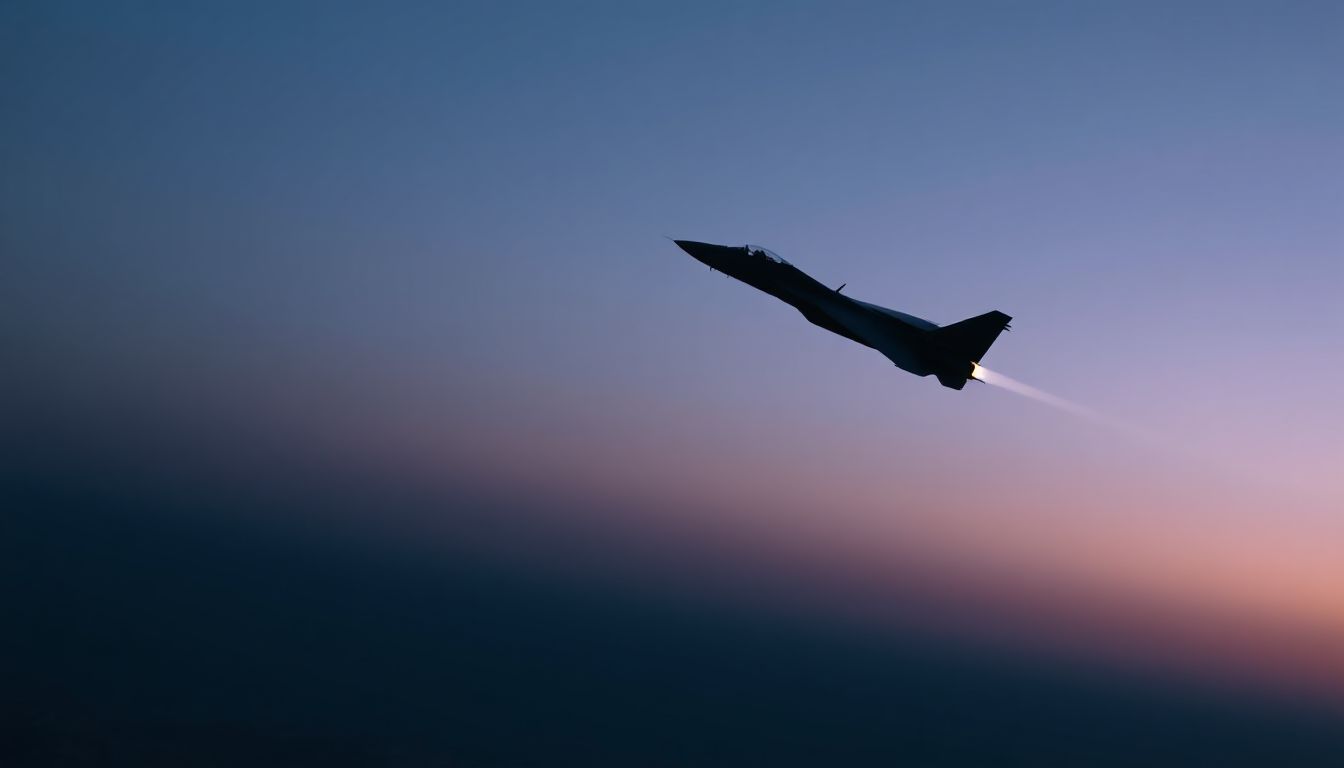
On a quiet afternoon last autumn, a Russian Su-27 fighter jet entered Estonian airspace without permission. The aircraft flew into the island of Vaindloo's airspace. This happened for under a minute. It flew about 0.6 nautical miles into Estonian territory. Estonian air traffic controllers tried to contact the jet. However, it did not respond to their calls. This flight path was tracked very closely.
Official Reports and Confirmations
The Estonian Ministry of Defence quickly confirmed the violation. They released a statement detailing the event. The Estonian Defence Forces also provided radar tracking data. NATO aircraft on standby were ready to respond. These reports made it clear what occurred.
Previous Incidents and Patterns
This was not a one-off event. Russian military aircraft have entered Estonian airspace many times before. Such incidents happen in other Baltic states too. This shows a regular pattern of behaviour. These repeat violations create ongoing security worries for the region.
Geopolitical Context: The Baltic States and NATO's Eastern Flank
Estonia's Strategic Position
Estonia holds a vital spot on the map. It is a NATO member that shares a long border with Russia. Its history is full of foreign occupations. This makes its independence especially important. Estonia joined NATO in 2004, cementing its Western ties.
NATO's Role and Responsibilities
NATO promises to protect all its members under Article 5. This means an attack on one is an attack on all. The Baltic Air Policing mission is key to this promise. NATO jets constantly patrol the skies above Estonia, Latvia, and Lithuania. This mission keeps their airspace safe.
The Broader Security Landscape
After the Cold War, Europe hoped for lasting peace. But NATO's expansion eastward and Russia's views on its own borders have changed this. Today, tensions are high. Events like Russian jet Estonian airspace violations highlight these modern security challenges.
Potential Motivations Behind Airspace Violations
Signaling and Provocation
Some think these violations are Russia's way of sending a message. They might be trying to test NATO's readiness or reaction speed. Russia could also be showing off its military power. It might want to make other nations feel uneasy.
Navigation Errors or Technical Issues
It is possible some incursions happen by mistake. A jet could go off course due to bad weather. Maybe navigation equipment fails. Or pilots simply make a wrong turn. Official statements sometimes hint at these less aggressive reasons for the incidents.
Intelligence Gathering and Reconnaissance
Russian aircraft might use these flights to gather information. They could be collecting electronic intelligence. This helps them understand NATO's defence systems better. They may also be checking how quickly NATO responds to an unexpected approach.
Responses and Reactions to the Violation
Estonia's Diplomatic and Military Actions
Estonia reacts firmly to any airspace violation. The government quickly sends a formal protest to Moscow. Estonian fighter jets are often scrambled to intercept the Russian aircraft. This shows Estonia's commitment to defending its borders.
NATO's Unified Response
NATO handles these violations as a team. Its leaders often make statements about respecting sovereign airspace. NATO might increase air policing flights. Allied nations also discuss these events in diplomatic talks. This shows a united front.
International Reactions and Media Coverage
Other countries often support Estonia's position. They condemn Russia's actions. Major news outlets worldwide report on these incidents. They highlight the ongoing tensions. This broad coverage helps keep everyone aware of the situation.
Implications and Future Outlook
Impact on Regional Stability
Repeated Russian jet Estonian airspace violations make the Baltic region feel less secure. They add to a sense of instability. These actions could lead to bigger problems for wider European security. It is a constant worry for nations in the area.
Deterrence and De-escalation Strategies
How well do our current defence plans work? NATO's strong presence aims to stop these violations. Diplomatic efforts also try to ease tensions. Finding new ways to talk and understand each other is vital. This helps prevent future incidents and keeps the peace.
The Role of Information and Transparency
Clear talk between all parties is very important. Honest reporting of events stops misunderstandings from growing. When everyone is open about what happened, it helps prevent small incidents from turning into bigger crises. It builds trust, even when times are tough.
Conclusion
Russian jet incursions into Estonian airspace are a serious reality. Many complex reasons sit behind these actions. Russia's intentions range from deliberate tests to possible mistakes. NATO's role in protecting Estonia and other Baltic states is central. We must stay alert and keep talking through diplomatic channels. These events remind us how important collective defence and stable international relations are for everyone's safety.
Post a Comment